
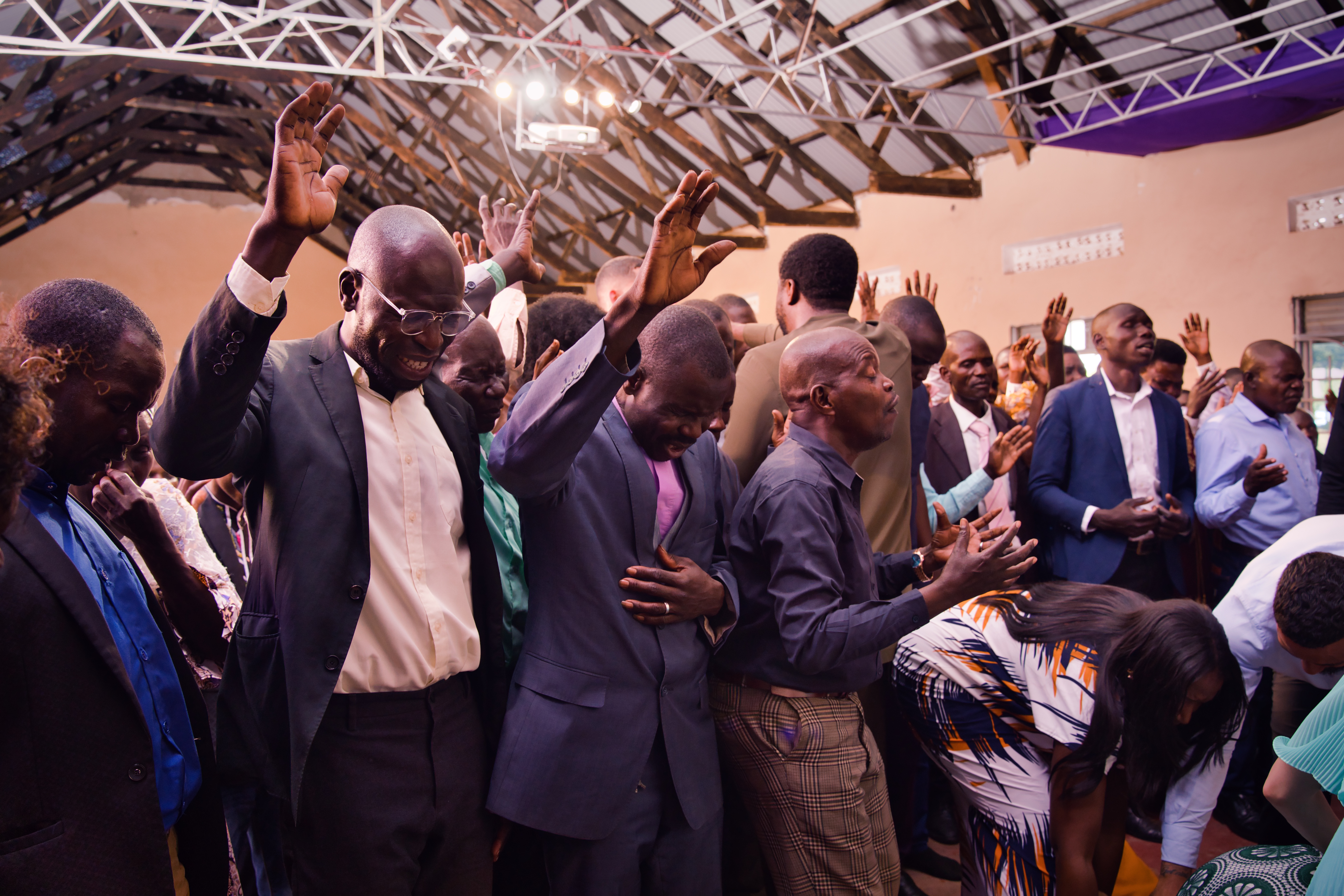
In the remote reaches of northern Uganda, the West Nile region has long felt like a spiritual frontier, a place where international ministries, drawn to the sprawling magnetism of the capital, rarely drop anchor. But over the course of a few days, the spiritual geography of this forgotten outpost suddenly and violently shifted.
It began with an ancient challenge from the Book of Acts.
“Which also said, Ye men of Galilee, why stand ye gazing up into heaven?” (Acts 1:11).
Delivered by the Glory Train Ministry, the scripture was less a sermon than a seismic event. It became a piercing mandate that turned quiet rural towns into epicenters of undeniable power.
A Battlefield Remembered
For the men and women laboring on the frontlines of faith here, ministry is often a brutal battle against attrition. When Dr. Temitope Agbana, Pastor Irene, and the Glory Train Ministry team arrived, addressing over 200 church leaders in Arua before moving to a crowd of 250 in Paidha, they shattered the region’s precedent of neglect.
Taking the stage, Dr. Temitope delivered a jarring theological reframing that systematically stripped away the romanticism often attached to the early apostles. He pointed to biblical Galilee, a region historically stigmatized as Cabul, meaning “good for nothing.”
He reminded the hushed room of a stark and uncomfortable reality. During Christ’s earthly ministry, the original disciples from Galilee were practically useless in the clutch of crisis. They could not stay awake to pray for a single hour at the most critical moment in Gethsemane. They stood completely powerless to cast out demons, even as outsiders managed to do so. When the authorities arrived to arrest Jesus, the men of Galilee vanished into the night. It took a passing stranger, Simon of Cyrene, to carry the cross. When it was time to demand the broken body and bury it, an outsider named Joseph of Arimathea had to step forward.
What, Dr. Temitope asked the crowd, were the disciples actually good for at that time? Mere proximity to Jesus did not cure their spiritual impotence.
The world had already written their epitaph. Drawing from John 7:52, the pastor highlighted the prevailing cultural sneer of the era: “Out of Galilee ariseth no prophet.” Society had permanently concluded that these men were destined for irrelevance. To break that suffocating narrative, they had to obey the final command to wait.
The mandate to tarry in Jerusalem was not about passing time; it was a call for absolute transformation. When the Day of Pentecost finally broke, Dr. Temitope noted, the observing crowds were not paralyzed by the rushing wind or the descending fire. According to Acts 2, the true shock was their changed speech. Onlookers marveled, asking, “Are not all these which speak Galileans?” The Holy Ghost had fundamentally altered their identity. The call to wait upon the Lord, the pastor declared, is the call to receive a power that completely shatters the limitations of your background. It is the only force that transforms a limited Galilean into an unstoppable vessel of the Spirit.
The response was explosive.
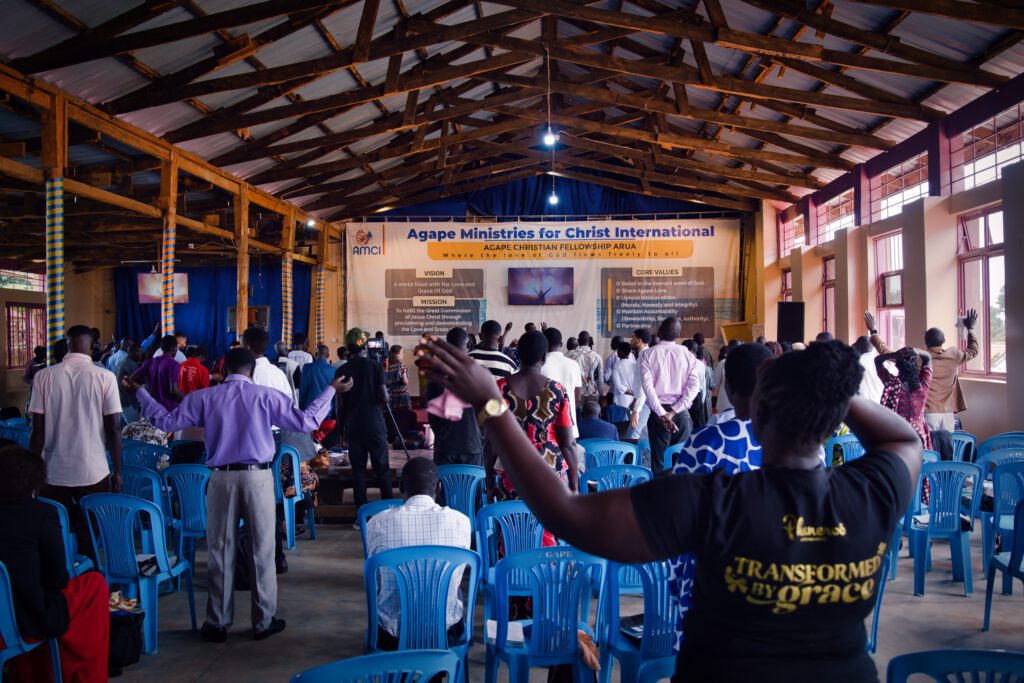
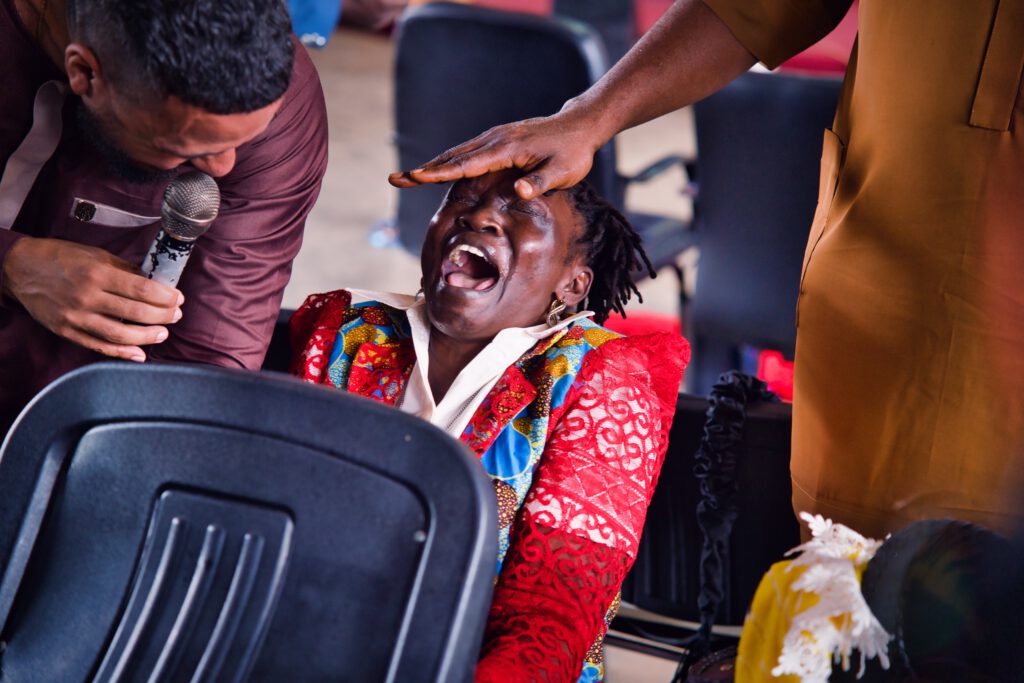
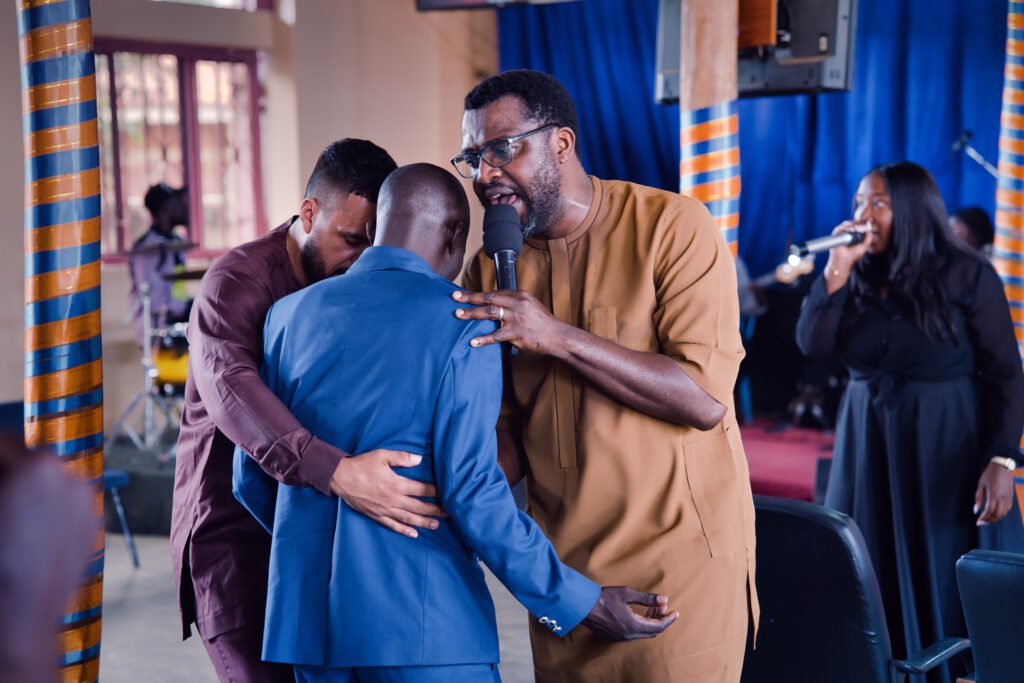
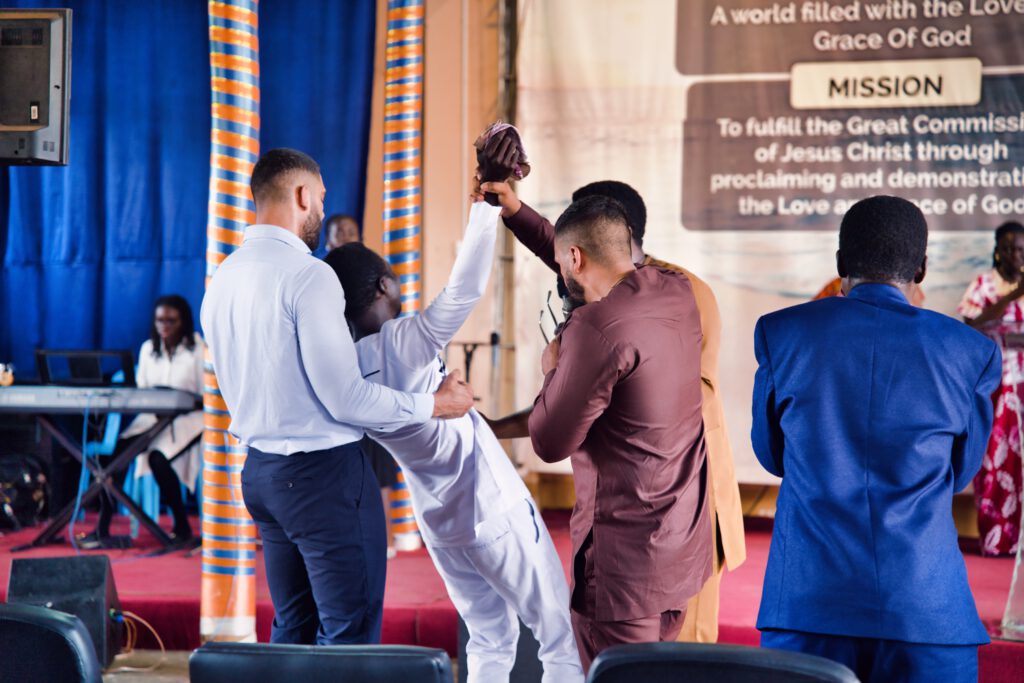
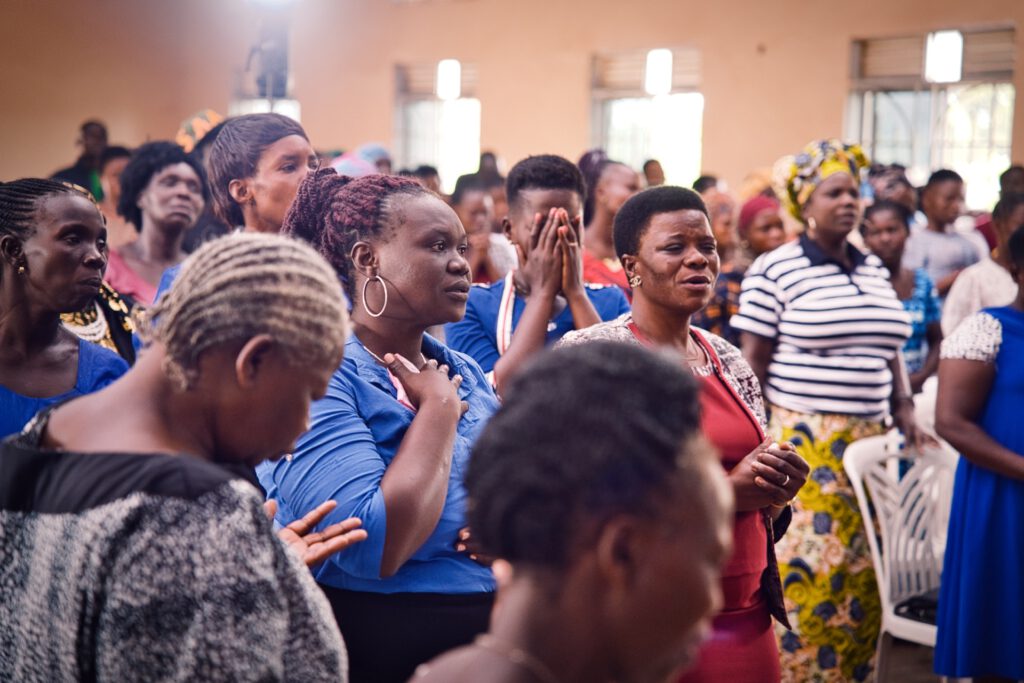
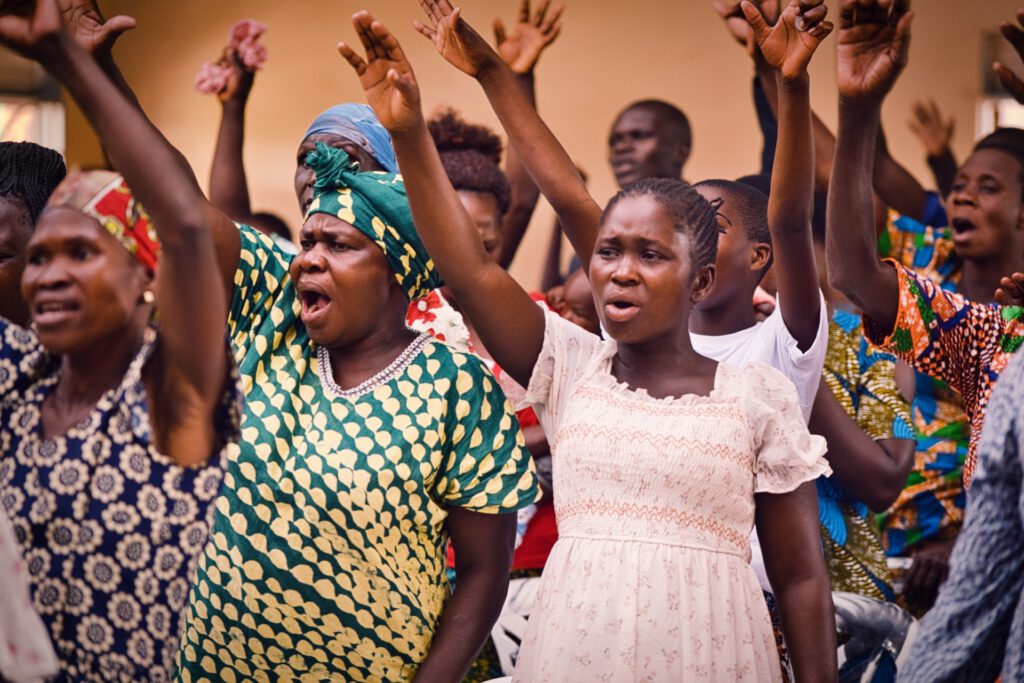
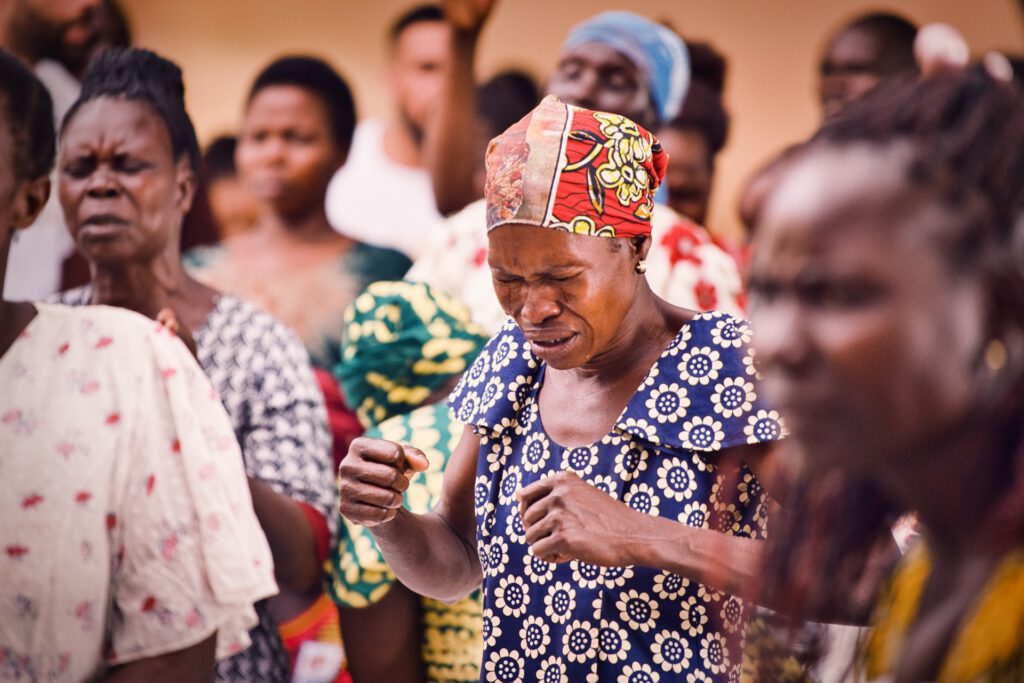
Across Arua and Paidha, attendees described an atmosphere evoking the raw and chaotic grace of that very first Pentecost. The presence of the divine ceased to be an abstract theological concept; it became a tangible and visceral weight in the room. A wave of prophetic declarations and visible manifestations of power swept through the crowds, yielding spontaneous and on-the-spot testimonies.
Then, the spiritual outpouring translated into profound and life-altering material blessing.
At the conclusion of the gatherings, the Pastors Association selected three local ministers whose relentless dedication had earned them a remarkable honor. Stepping forward to deliver this life-changing gift, Pastor Temitope and Pastor Irene, acting on behalf of the Glory Train Ministry, presented the men with brand-new motorcycles to accelerate their evangelical work. As their names were called, the chosen men broke down in tears, completely overwhelmed by the sudden reward. The entire room erupted in affirmation, validating that these were men who had exhausted themselves in God’s vineyard and truly deserved the recognition. For the watching crowd of pastors, the moment sparked a deep collective hope. It was a visible and roaring reminder that heaven takes notice of quiet labor and that divine reward will inevitably arrive, no matter how long the wait.
The Women’s Vanguard
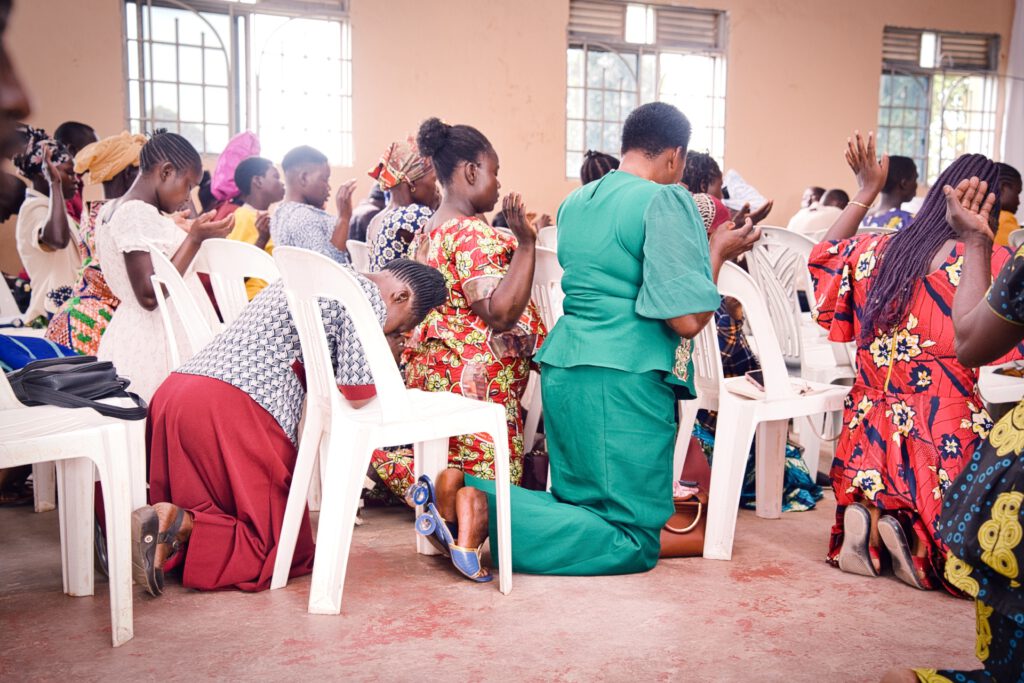
As a new paradigm took hold among the region’s pastors, a parallel insurgency of the spirit ignited among the women. In Zombo, Paidha, a specialized assembly drew more than 150 female pastors, wives, and mothers into a dense and electrically charged atmosphere of prayer.
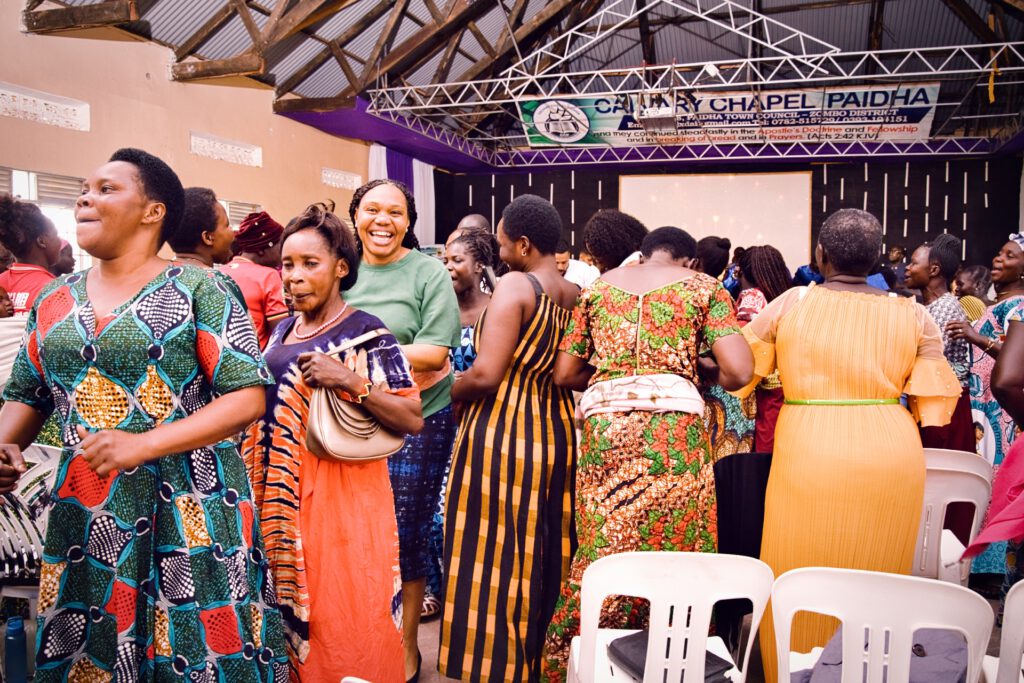
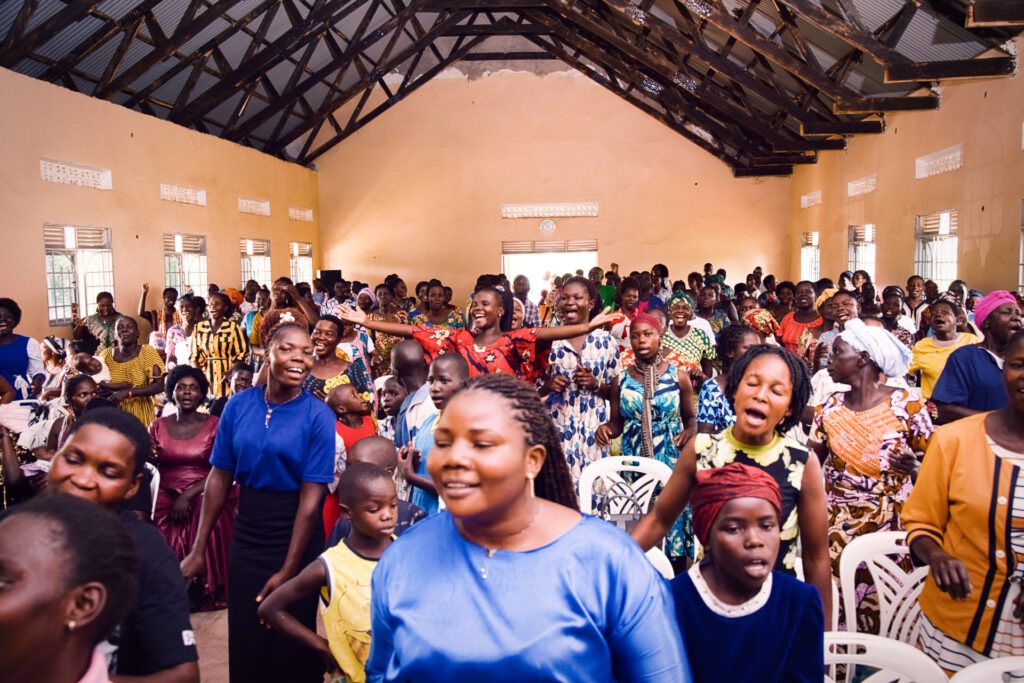
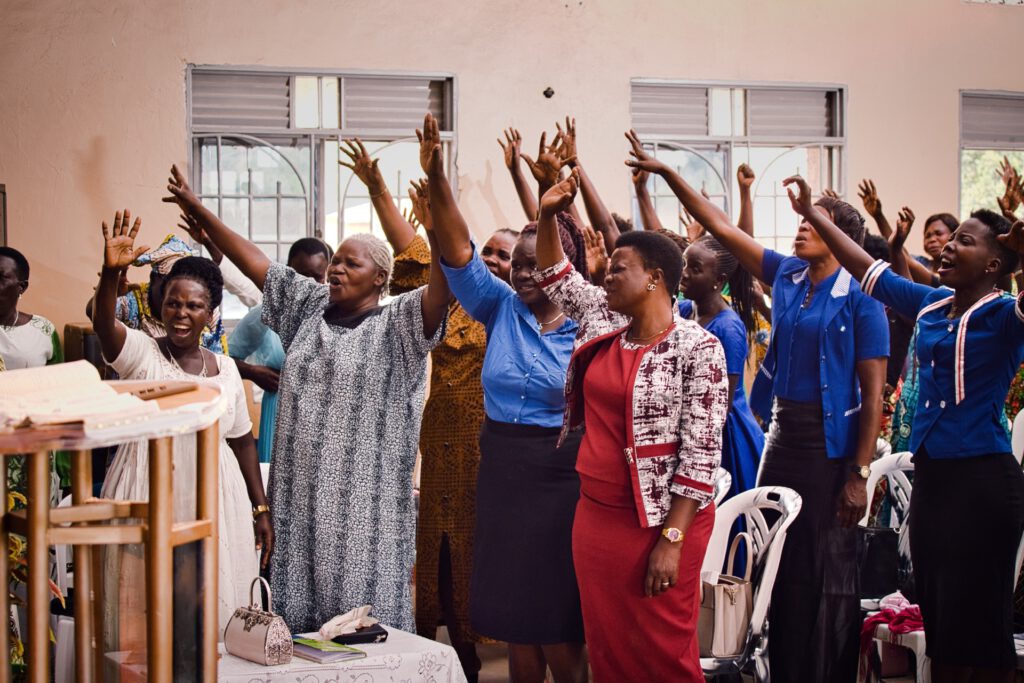
Here, Pastor Irene delivered a message of fierce and unyielding conviction. Invoking the biblical archetypes of Hannah and Deborah, she challenged the women to shed old postures of passivity. Her call was unequivocal: the time for tears and mere emotional expression had passed. It was time to step into the strategic and world-altering arena of waiting on God.
The divine blueprint for the women of Paidha, she assured the room, demands a bold and militant response. Punctuated by loud cries, intense intercession, and prophetic confirmations, the gathering culminated in a roar of praise that cemented a glorious reality. The spiritual atmosphere of the region had irrevocably changed.

This spiritual empowerment was anchored in immediate and practical uplift. Before the conference closed, Pastor Temitope and Pastor Irene stepped forward once again. On behalf of the Glory Train Ministry, they personally presented two sewing machines to the host church and its pastor. This was not merely a donation; it was the launch of a targeted six-month vocational training program designed to teach local women and young girls how to sew. Faith was instantly paired with enterprise, equipping the next generation to stitch together both their spiritual and economic futures.
The End of the Gaze
Across Arua and Paidha, the resonant theme remains as piercing today as when it was first spoken. It is dangerously easy to linger in a state of passive admiration while heaven demands active transformation.
But for the men and women of the West Nile who gathered under the banner of the Glory Train Ministry, the days of merely gazing up into heaven are decidedly over. They arrived at these gatherings as forgotten laborers in an overlooked field. They leave equipped with the raw power of Pentecost and the practical tools to rebuild their communities. Because of it, Paidha, Arua, and the broader West Nile region will never be the same.